Building Management Systems Embrace AI for Energy Efficiency
Commercial real estate is undergoing a silent revolution as Artificial Intelligence transforms Building Management Systems (BMS). By leveraging smart sensors and predictive algorithms, facility managers are achieving up to 30% reductions in energy costs while optimizing occupant comfort.
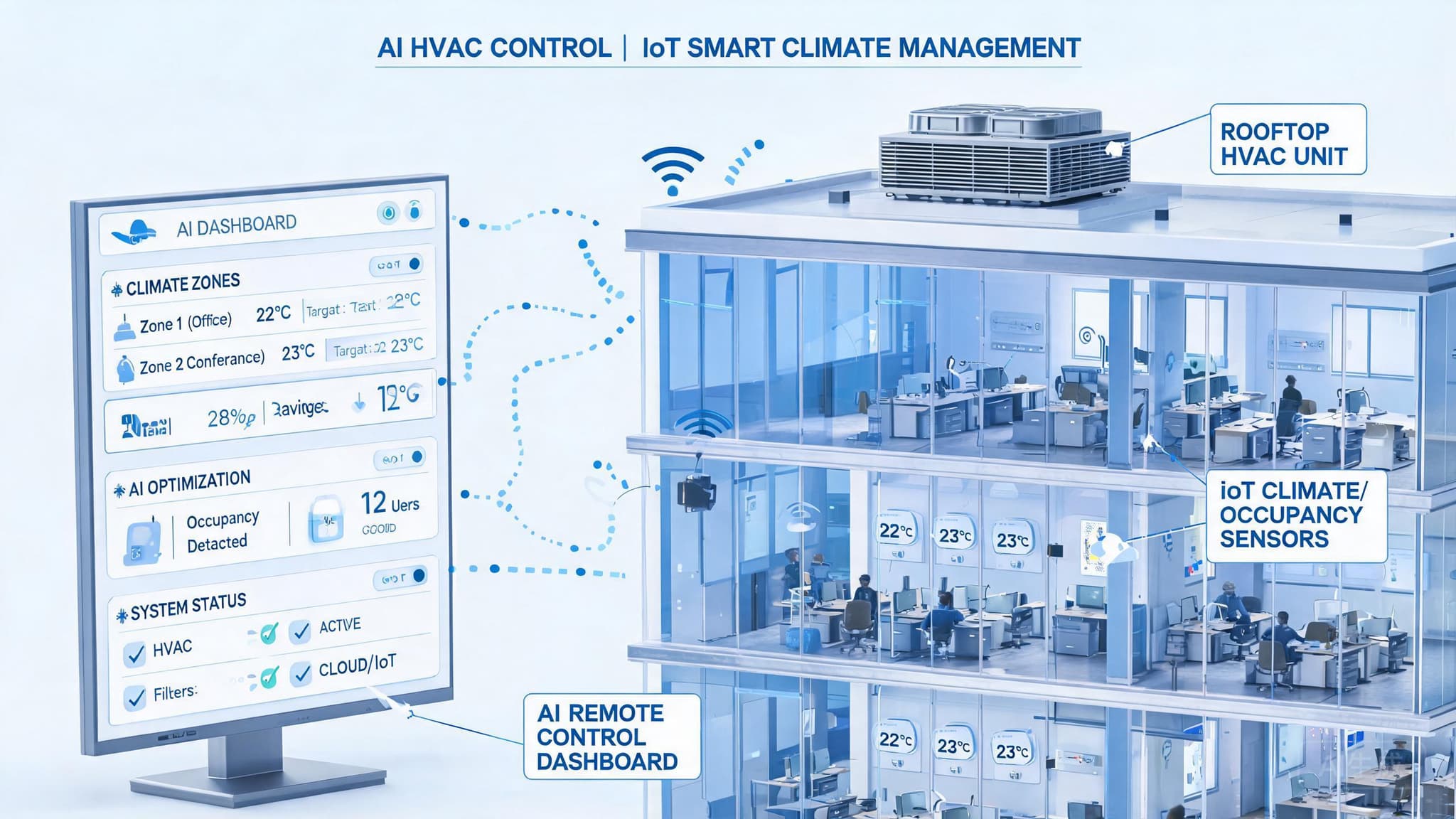
The modern commercial skyline is defined not just by architectural ambition, but by an invisible nervous system of sensors, controls, and connectivity. For decades, Building Management Systems (BMS) have served as the digital backbone of commercial real estate, automating lighting, ventilation, and temperature control. However, a new wave of innovation is sweeping through the industry—one that promises to redefine the very nature of how buildings consume energy.
As operational costs soar and sustainability mandates tighten, facility managers and building owners are turning to Artificial Intelligence (AI) to unlock new levels of efficiency. The convergence of the Internet of Things (IoT) and advanced machine learning is transforming static, scheduled-based automation into dynamic, responsive intelligence. The results are not merely incremental; commercial buildings leveraging AI-driven HVAC optimization and smart sensor networks are reporting energy cost reductions of up to 30%.
This article explores the mechanics of this technological shift, examining how AI is reshaping building operations, the practical implications for the industry, and the roadmap for a smarter, more sustainable built environment.
The Evolution of the Intelligent Building
To appreciate the impact of AI, one must first understand the limitations of traditional BMS. Historically, building automation relied heavily on static schedules and rudimentary feedback loops. A thermostat might trigger the HVAC system to cool a building at 6:00 AM, Monday through Friday, regardless of external weather conditions or actual occupancy levels.
While this represented an improvement over manual control, it was a blunt instrument. Buildings often consumed massive amounts of energy conditioning empty spaces or over-conditioning occupied ones based on setpoints that were rarely optimal. Traditional BMS excelled at monitoring, but they lacked the predictive capability to anticipate changes or the cognitive flexibility to optimize for complex, competing variables.
From Automation to Optimization
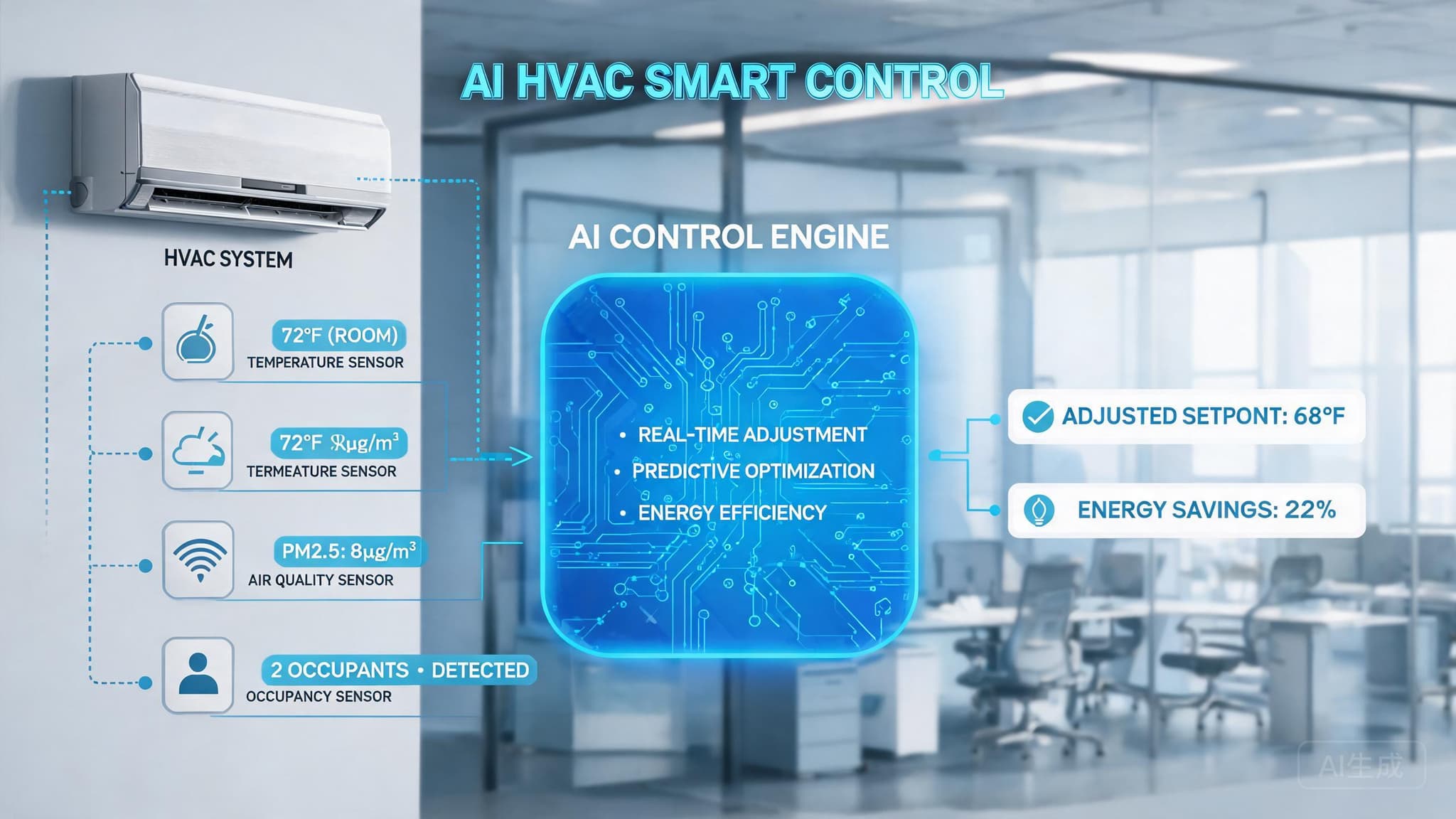
The integration of AI marks the transition from automation to optimization. Where traditional systems react to a breach of a threshold (e.g., "It is too hot, turn on the AC"), AI systems operate in the realm of prediction and prevention. By ingesting vast amounts of historical and real-time data, AI models can forecast thermal loads, weather patterns, and occupancy trends with startling accuracy.
This shift is powered by three key technological pillars:
- Proliferation of IoT Sensors: The cost of sensors has dropped precipitously while their capabilities have expanded. Modern smart buildings are equipped with thousands of sensors detecting everything from CO2 levels and humidity to motion and light.
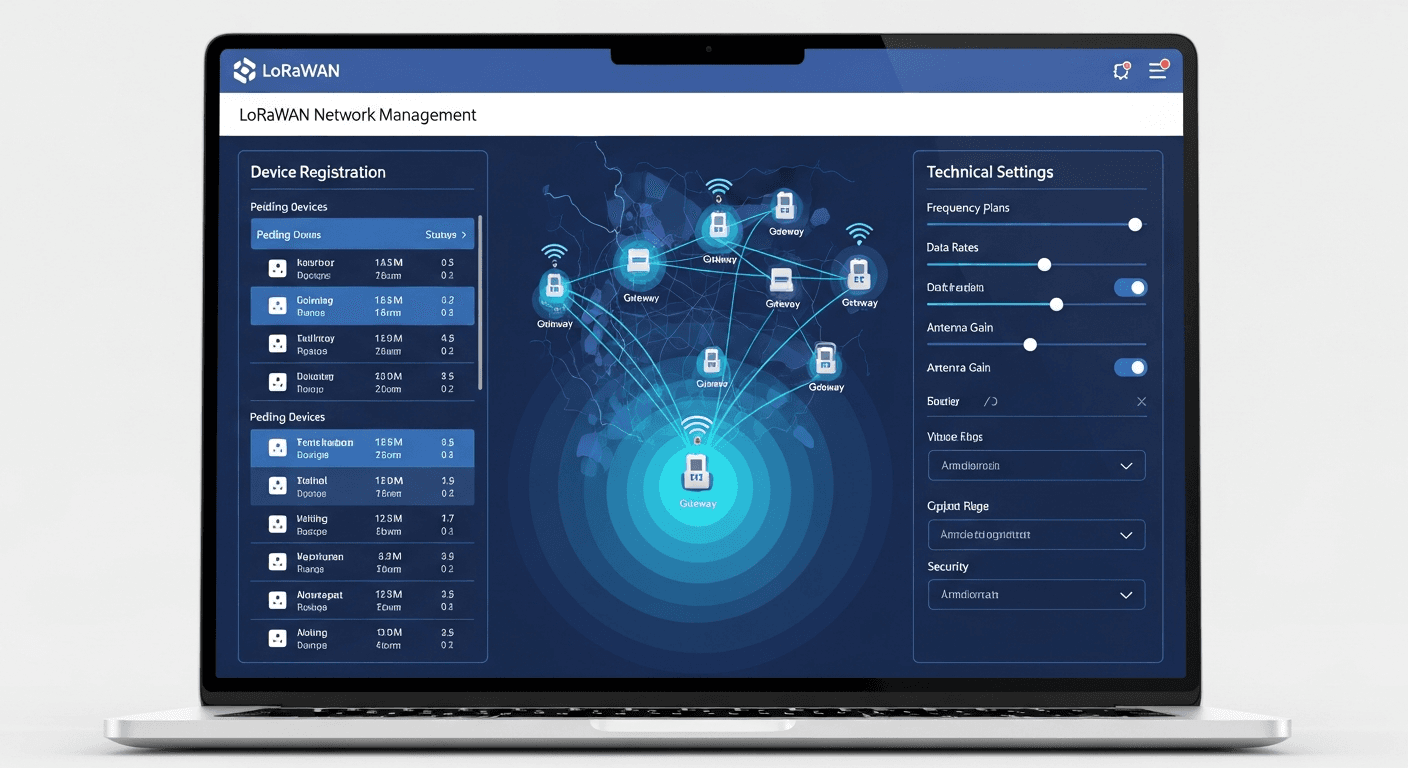
- Advanced Connectivity: High-speed, low-latency networks (5G, LoRaWAN, and WiFi 6) allow for the seamless transmission of data from the edge of the network to the cloud or on-premise servers.
- Machine Learning Algorithms: These are the "brains" of the operation. Deep learning models can identify non-linear patterns in data that human operators or rule-based systems would inevitably miss.
How AI-Driven HVAC Optimization Works
Heating, Ventilation, and Air Conditioning (HVAC) typically accounts for nearly 40% of a commercial building's total energy usage. It is, therefore, the primary target for AI-driven efficiency initiatives. The process involves a continuous loop of data ingestion, analysis, and action.
1. Data Aggregation and Digital Twins
The first step is gathering data. AI systems integrate with existing BMS protocols (such as BACnet, Modbus, or KNX) to pull data from equipment. Simultaneously, data flows in from IoT sensors and external sources like local weather stations. In sophisticated implementations, this data is used to create or update a "Digital Twin"—a virtual replica of the physical building used for simulation and testing.
2. Predictive Modeling
Once the data is centralized, the AI begins modeling. Instead of a simple time-based schedule, the system analyzes:* Thermal Inertia: How long does it take for the building to heat up or cool down based on construction materials?
- Solar Gain: How does sunlight hitting the glass facade at 3:00 PM affect the temperature on the west side of the building?
- Occupancy Density: Are there meetings scheduled in Conference Room B? Is the occupancy flow higher than usual due to a special event?
3. Continuous Rebalancing
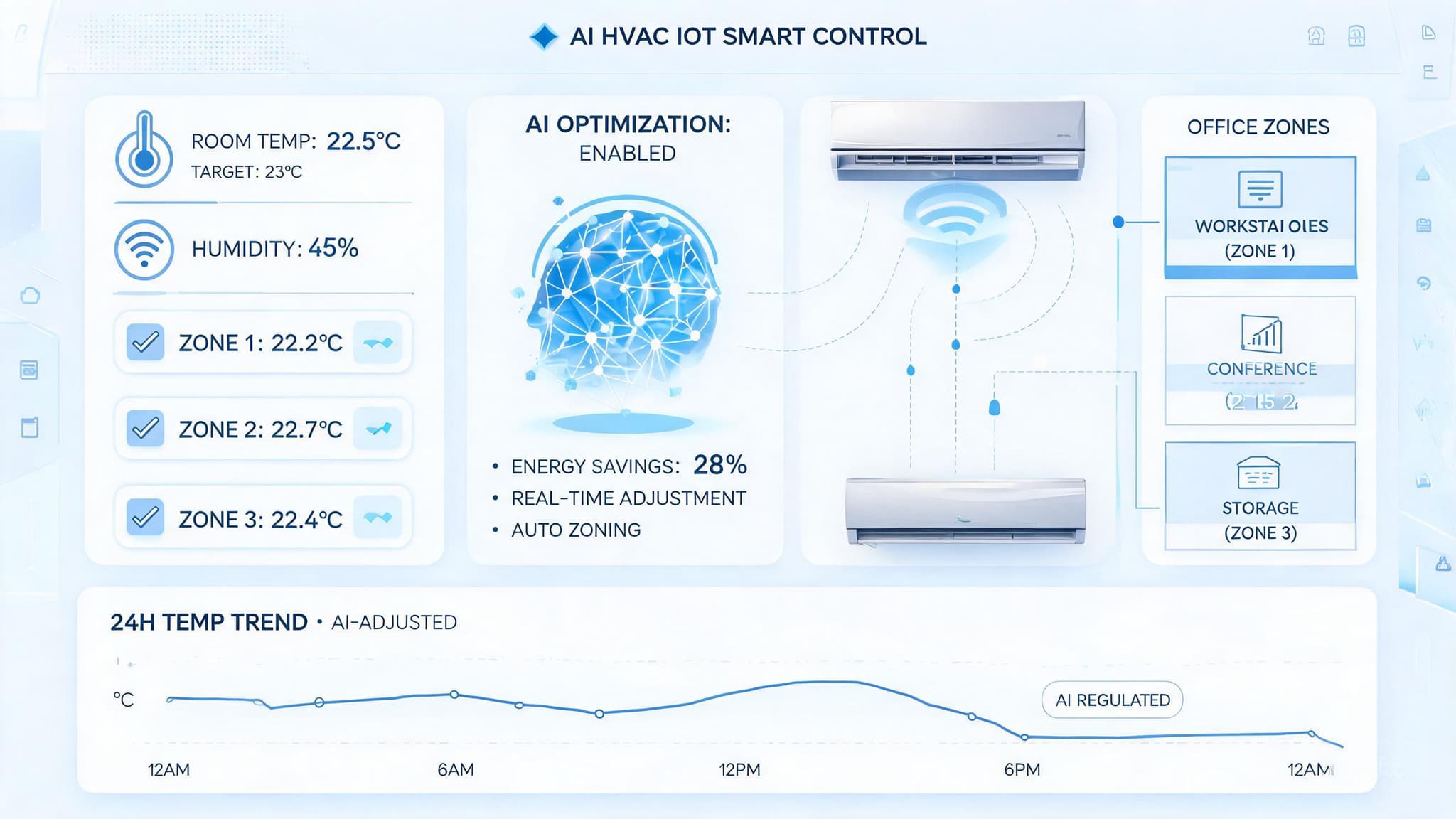
Armed with these insights, the AI dynamically adjusts equipment setpoints every few minutes (or seconds). It might lower the chilled water supply temperature slightly in anticipation of a heatwave, or reduce airflow to a zone that has been unoccupied for 45 minutes. Crucially, it balances energy consumption against occupant comfort. The goal is not just to save energy, but to maintain the ideal environment for productivity while doing so.
The ROI: Decoding the 30% Reduction
The headline figure—a 30% reduction in energy costs—often cited in industry case studies is compelling, but what drives it? It is rarely the result of a single action but rather the cumulative effect of micro-optimizations across the building ecosystem.
Eliminating Energy Waste
A significant portion of the savings comes from eliminating the "peak" overlap. Traditional systems often run chillers, boilers, and fans simultaneously to quickly bring a building to temperature. An AI system can stage this process more gently, starting earlier or later to avoid high-demand spikes and running equipment at its most efficient "sweet spot" rather than full throttle.
Demand Response and Peak Shaving
Commercial utility rates often include steep penalties for peak demand or Time-of-Use (TOU) rates. AI can predict these peaks and automatically shed non-critical loads or pre-cool the building using thermal mass storage strategies when electricity is cheaper. This ability to participate in Demand Response (DR) programs not only lowers bills but can generate revenue from utility providers.
Extended Equipment Lifespan
While harder to quantify immediately, the financial impact of extended asset life is substantial. AI-driven soft-starting and variable control reduce the mechanical stress on motors, fans, and compressors. By running equipment less hard and for shorter durations, maintenance intervals are extended, and capital expenditure (CapEx) for replacements is delayed.
The Role of IoT and Smart Sensors
While the algorithm is the brain, sensors are the sensory organs. The effectiveness of AI is directly proportional to the granularity of the data it receives.
Beyond Temperature
Traditional thermostats only measure temperature at a specific point on a wall. Modern IoT deployments measure:
- Dew Point and Humidity: Crucial for human comfort and preventing mold.
- CO2 and VOC (Volatile Organic Compounds): Indicators of air quality and occupancy density.
- Ambient Light: Allowing the AI to harmonize artificial lighting with daylight harvesting.
Occupancy Analytics
Smart sensors can distinguish between the presence of a human and the motion of a fan or a passing shadow. Advanced occupancy analytics allow the BMS to implement "setback" modes aggressively when spaces are truly empty, ensuring that energy is never wasted on empty rooms—a common inefficiency in traditional setups that rely on fixed schedules.
Practical Implications for the Industry
The adoption of AI in building management is not just a technological upgrade; it is a shift in operational philosophy. For facility managers (FMs), this changes the daily nature of their work.
From Firefighting to Strategy
Traditionally, FMs spent a significant portion of their day reacting to complaints ("It's too hot in here!") or equipment failures. AI acts as a force multiplier, handling the thousands of micro-decisions required to keep the building comfortable. This frees the human operator to focus on high-level strategy, vendor management, and tenant experience improvements.
The Retrofit Challenge
One of the biggest hurdles is the existing building stock. While new builds are often "AI-ready," older structures rely on legacy BMS that may not have modern APIs. The industry is responding with edge-gateway solutions that sit between old controls and new cloud platforms, translating legacy data into actionable insights. This democratizes access to AI, allowing older buildings to compete with modern smart towers in terms of efficiency.
Security and Data Privacy Considerations
As buildings become more connected, the attack surface expands. An AI-BMS represents a critical infrastructure node. A compromised system could theoretically manipulate HVAC to damage equipment or disrupt access.
Furthermore, occupancy sensors generate data about human movement patterns. To maintain tenant trust and comply with regulations like GDPR, building owners must implement strict data governance policies. Anonymizing occupancy data—using "counts" rather than individual tracking—is becoming the standard best practice.
Common Security FAQs
- Is the cloud safe for building data? Generally, yes, provided the vendor offers end-to-end encryption and multi-factor authentication. Cloud platforms often have superior security resources compared to on-premise servers.
- Can the AI be overridden? Yes, human override capabilities are a safety requirement. AI should act as a co-pilot, not a pilotless autopilot.
The Road Ahead: Net Zero and Beyond
The push for AI-driven BMS is not happening in a vacuum; it is fueled by the global drive toward Net Zero carbon emissions. Buildings are responsible for nearly 40% of global carbon emissions. Operational carbon—the energy used to run the building—is a massive contributor.
Optimizing HVAC through AI is the "low-hanging fruit" of decarbonization. It allows building owners to reduce their footprint immediately, often with a return on investment measured in months rather than years. As grids become greener and more reliant on renewables (which are intermittent), the flexibility provided by AI will be essential to balance energy supply and demand dynamically.
Conclusion
The integration of AI into Building Management Systems represents a paradigm shift in how we interact with our built environment. It is a move away from rigid, static control toward fluid, intelligent adaptation.
For commercial building owners and operators, the message is clear: the era of passive building management is over. By embracing AI-driven HVAC optimization and smart sensor technology, the industry stands to gain a trifecta of benefits—radically improved energy efficiency (up to 30%), enhanced occupant comfort, and a significant step toward sustainability goals.
The technology is no longer a futuristic concept reserved for flagship tech campuses; it is a practical, scalable solution available today. As the technology matures, the buildings that succeed will be those that stop just housing people and start thinking about them.
Frequently Asked Questions: AI in Building Management
1. How difficult is it to install an AI layer on an existing BMS? It is generally less invasive than replacing the entire BMS. Most AI solutions are software-as-a-service (SaaS) platforms that connect to the existing controls via gateways or software integrations. They "read" the data and write optimized setpoints back to the existing controllers without needing to rewire the facility.
2. Will AI reduce the comfort of building occupants? Paradoxically, the opposite is usually true. Traditional systems often create "hot spots" or "cold spots." AI constantly rebalances the system to maintain a consistent temperature. Furthermore, by monitoring CO2 and air quality, the system can increase fresh air ventilation dynamically, improving cognitive performance and health.
3. What is the typical Return on Investment (ROI) for AI BMS upgrades? While every building is unique, case studies frequently show ROI within 12 to 24 months. This is driven by the immediate reduction in energy bills (often 15-30%) and the reduction in maintenance costs due to predictive failure detection.
4. Does an AI BMS require an internet connection? Most modern AI BMS platforms rely on cloud computing for heavy data processing and machine learning model training. However, local edge controllers usually retain the ability to operate the building safely if the internet connection is temporarily lost.
5. Can AI BMS help with COVID-19 or similar health concerns? Yes. By monitoring indoor air quality (IAQ) parameters like particulate matter (PM2.5) and CO2, the system can automatically increase ventilation rates when pathogen transmission risk might be higher, ensuring healthier air without running ventilation fans at 100% capacity unnecessarily.
6. Is this technology only for office skyscrapers? No. While high-rise offices are prime candidates, the technology is equally effective in hospitals, universities, manufacturing plants, and retail malls. Any facility with complex HVAC needs and variable occupancy patterns stands to benefit.
7. What are the maintenance requirements for an AI-driven system? The hardware (sensors) typically requires minimal maintenance, often just battery changes. The software models are usually retrained and updated automatically by the vendor. The primary requirement for the facility team is to review the insights and recommendations provided by the AI platform.