Contexus Chiller Twins: The Smart Cooling Strategy Powering Modern Facilities
It's the hottest day of the year. A manufacturing plant is running at full capacity when its massive central chiller suddenly trips offline. Within ninety minutes, production lines stall, temperature-...
Plays while this video is on screen. Use the player controls to turn sound on.
It's the hottest day of the year. A manufacturing plant is running at full capacity when its massive central chiller suddenly trips offline. Within ninety minutes, production lines stall, temperature-sensitive materials begin to degrade, and the facility faces losses measured in the tens of thousands of dollars — all because there was no backup. Now imagine the same scenario in a hospital, a data center, or a pharmaceutical lab, where a cooling failure isn't just expensive, it's potentially catastrophic.
This is precisely the problem that twin chiller configurations are designed to solve — and it's the story behind the popular video "Contexus Chiller Twins" from the Contexus channel. In the video, Contexus takes viewers inside a dual-chiller installation, showing how two machines working in tandem deliver reliability, efficiency, and peace of mind that a single oversized unit simply cannot match.
If you've ever wondered why so many modern facilities choose to install two medium-sized chillers instead of one big one, this article breaks down everything you need to know — and we'll point you to the video so you can see a real-world twin chiller setup in action.
What Exactly Is a Twin Chiller System?
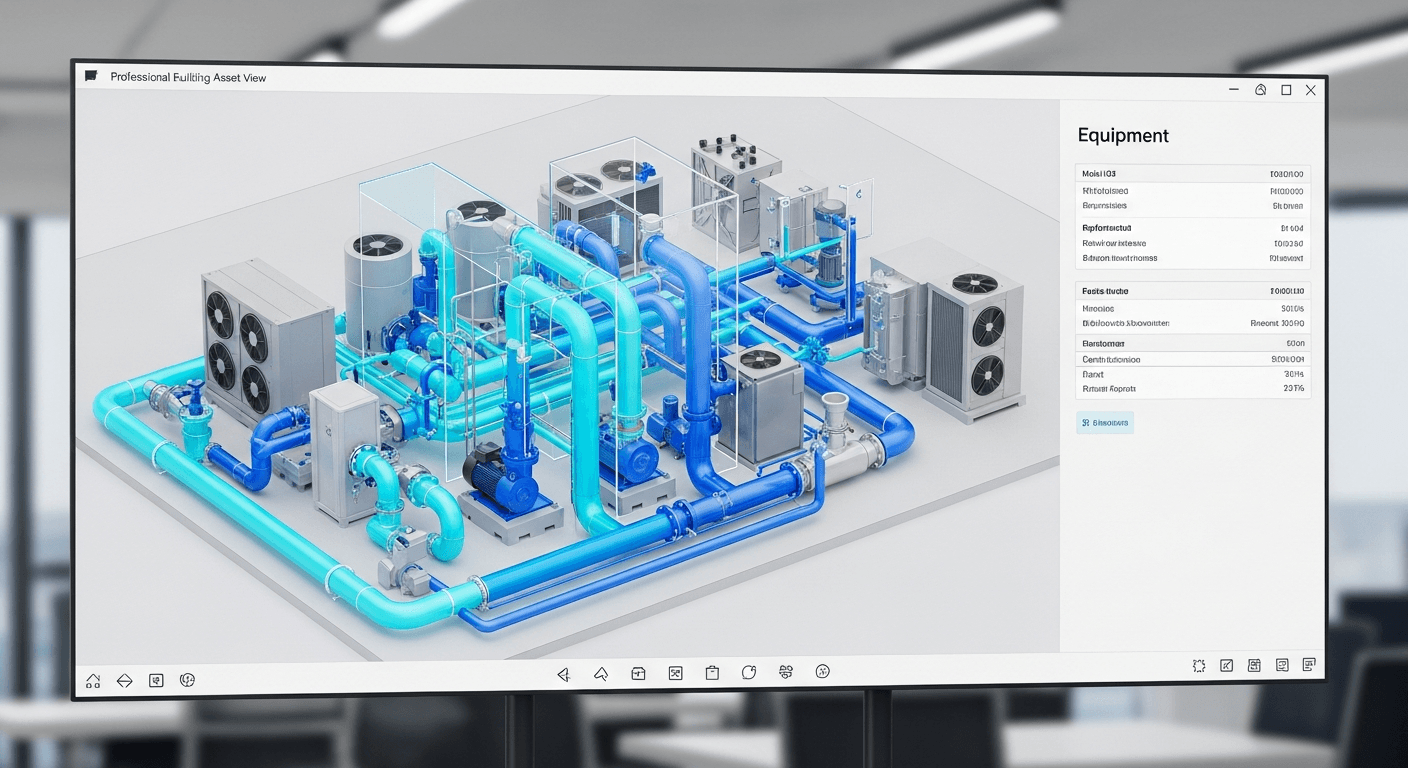
A twin chiller system — sometimes called a dual-chiller or paired-chiller configuration — is exactly what it sounds like: two chillers installed side by side, sharing common infrastructure such as cooling towers, pumps, and piping, to serve a single building or process load.
Rather than relying on one large machine to handle 100% of the cooling demand, the twin setup splits the work. Depending on the design, the two units may operate in several ways:
- Shared load operation: Both chillers run simultaneously, each carrying roughly half of the total cooling demand.
- Lead-lag operation: One chiller (the "lead") carries the primary load, while the second (the "lag") activates only when demand rises.
- Standby (redundant) operation: One chiller handles the full load while the second remains on standby, ready to take over instantly if the primary unit fails.
- Sequential staging: The units ramp on and off in sequence to match the load profile throughout the day.
This flexibility is the foundation of the twin chiller's appeal. It transforms the cooling plant from an all-or-nothing system into a resilient, adaptable platform that can be dialed up or down as conditions change.
Why Two Chillers Beat One Big Machine
1. Redundancy That Protects Your Operation
For mission-critical facilities, downtime is the enemy. Industry research consistently shows that unplanned outages carry staggering costs: studies of data center operations have estimated average outage costs in the hundreds of thousands of dollars per event, with some incidents exceeding a million dollars. In hospitals, a cooling failure can force the evacuation of operating theaters and jeopardize patient safety. In food processing, it can mean the loss of an entire production batch.
A twin chiller arrangement delivers what engineers call N+1 redundancy — enough capacity to meet the full load (N) plus one additional unit. If one chiller goes down for any reason — mechanical failure, electrical fault, or scheduled maintenance — the second chiller picks up the load with little or no disruption. For most facilities, that single design decision eliminates the single largest point of failure in the entire cooling chain.
2. Superior Part-Load Efficiency
Here's a fact that surprises many facility managers: chillers spend the vast majority of their operating lives not at full load. In most climates, a cooling plant runs at 50% capacity or below for well over half of its annual operating hours. A single large chiller forced to cycle on and off at partial loads wastes energy and accelerates wear on compressors.
Twin chillers handle part-load conditions with far more grace. When demand drops, one chiller can shut down entirely while the other runs efficiently at a healthier load percentage. Depending on the equipment and control strategy, this staged operation can reduce cooling-plant energy consumption by 15–30% compared with a single-unit approach — savings that compound year after year.
Add variable-speed drives and modern digital controls to the mix, and the efficiency gains become even more impressive. Many facilities report their twin chiller plants paying for their premium over a single-chiller design within a few short years through energy savings alone.
3. Maintenance Without Compromise
Chillers require regular maintenance: tube cleaning, refrigerant checks, oil analysis, control calibration. With a single-chiller plant, that maintenance either happens during peak season risk windows or requires shutting down cooling entirely — a gamble no critical facility wants to take.
With twins, one unit can be isolated and serviced while the other keeps the building comfortable and the process running. Maintenance stops being a crisis-management exercise and becomes routine planning. This operational flexibility alone is enough to convince many facility directors to specify paired units.
Real-World Applications: Where Twin Chillers Shine
Data Centers
Data centers demand near-perfect uptime — many operators target 99.99% availability or better. Cooling is a enormous share of a data center's energy budget, and redundancy is baked into virtually every modern design standard, including the widely referenced ASHRAE thermal guidelines and tier classification systems. Twin and multi-chiller plants, often in N+1 or 2N configurations, are the industry standard for keeping servers within their tight thermal envelopes.
Hospitals and Healthcare
Healthcare guidelines have long required redundant cooling for critical care areas. Twin chillers ensure that operating rooms, ICUs, imaging equipment, and pharmaceutical storage remain within strict temperature and humidity ranges regardless of equipment status. The ability to service one chiller while the other carries the load is not a luxury in healthcare — it's a requirement.
Manufacturing and Process Cooling
Consider a plastics injection-molding facility running twin chillers. During peak summer production, both units share the load. On cooler mornings or during reduced shifts, one chiller idles while the other handles demand. When the facility needed its annual maintenance shutdown, technicians serviced one machine while the second kept molds cool and production on schedule — avoiding downtime that would have cost thousands per hour.
Commercial and Institutional Buildings
Universities, hotels, office towers, and shopping centers benefit from the same logic. A paired-chiller plant lets the building engineer match cooling capacity to occupancy — full output during a packed conference, lean operation on a quiet Sunday — all while maintaining a built-in backup.
The Contexus Chiller Twins Video: See It for Yourself
Reading about twin chiller systems is one thing; seeing a professionally installed pair in operation is another. That's exactly what the Contexus Chiller Twins video delivers.
In the video, the Contexus team walks viewers through a real twin chiller installation, offering a close-up look at the equipment layout, the shared plant infrastructure, and the engineering decisions that make a dual-chiller setup work seamlessly. Whether you're a facility manager evaluating your options, an HVAC student learning the trade, or simply someone fascinated by industrial machinery, the video is a concise, visually engaging tour of one of the most important reliability strategies in modern cooling.
👉 Watch it here: Contexus Chiller Twins on YouTube — and subscribe to the Contexus channel for more hands-on equipment walkthroughs.
Key Considerations Before Specifying Twin Chillers
While the benefits are compelling, a successful twin chiller installation depends on smart design decisions:
- Sizing strategy: Should each chiller be sized for 50% of the load, or should each handle 100% for full standby redundancy? The answer depends on your criticality and budget.
- Shared vs. independent components: Sharing pumps and cooling towers saves capital but can reintroduce single points of failure. Critical facilities often duplicate these components too.
- Controls and sequencing: Modern building management systems can automatically stage, rotate, and optimize the two units — but poor control logic can erase the efficiency benefits.
- Water treatment and flow balance: Paired units sharing loops require careful hydraulic balancing and consistent water treatment to prevent efficiency-eroding fouling.
Working with an experienced installer — and learning from real installations like the one featured by Contexus — helps ensure the design delivers on its promise.
Frequently Asked Questions
1. What does "twin chiller" mean?
A twin chiller system uses two chillers working together — sharing loads, staging on and off, or serving as backups for each other — instead of a single large unit. The goal is greater reliability, better part-load efficiency, and easier maintenance.
2. Are two chillers more expensive than one large chiller?
The upfront equipment cost of two medium chillers is typically somewhat higher than one large unit, and the installation can be slightly more complex. However, most facilities recover the difference through lower energy consumption, avoided downtime, and reduced maintenance risk — often within a handful of years.
3. Do twin chillers really save energy?
Yes, particularly in climates with variable cooling demand. Because chillers run most efficiently near their design load and spend much of the year at partial load, the ability to shut one unit down and run the other at a higher, more efficient load point can cut cooling energy use by 15–30% in many applications.
4. What is N+1 redundancy?
N+1 means the system has one more unit than strictly needed to meet the load. In a twin chiller plant sized so that either unit can carry the full demand, the facility has N+1 redundancy: if one chiller fails, the other keeps operations running without interruption.
5. Can both twin chillers run at the same time?
Absolutely. In fact, shared-load operation is common during peak demand. The key advantage is flexibility — the plant can run one unit, both units, or alternate between them depending on load, efficiency targets, and maintenance schedules.
6. What maintenance does a twin chiller system require?
Each chiller needs the same care as any centrifugal, screw, or scroll machine: condenser and evaporator tube cleaning, refrigerant and oil analysis, sensor calibration, and periodic performance testing. The twin configuration simply makes this maintenance far easier, since one unit can be serviced while the other carries the load.
7. Where can I see a real twin chiller installation?
The Contexus channel's video "Contexus Chiller Twins" (watch on YouTube) provides a hands-on look at an actual dual-chiller plant, from equipment layout to the practical details of the installation.
Conclusion: Reliability Is a Design Choice
Cooling failures are rarely small problems. They idle production lines, endanger patients, threaten data, and cost facilities enormous sums in a matter of hours. The twin chiller approach — pairing two units that share, stage, and back each other up — turns the cooling plant from a single point of failure into a resilient, efficient, serviceable asset.
The lesson from facilities that have made the switch is clear: redundancy isn't an expense, it's insurance that pays dividends in energy savings and operational confidence every single day.
Ready to see how it works in the real world? Watch the Contexus Chiller Twins video on YouTube for an up-close tour of a professional twin chiller installation, then subscribe to the Contexus channel for more practical equipment insights. And if you're evaluating your own facility's cooling strategy, use what you've learned here to start the conversation with a qualified HVAC engineer — your future self, working comfortably through the next heat wave, will be glad you did.
▶️ Watch now: Contexus Chiller Twins