Ricoh Deploys Thread AI Facility Management Platform
Ricoh and Thread AI have teamed up to launch a groundbreaking facility management platform that combines multimodal AI with digital twin technology. This initiative aims to automate complex industrial workflows and solve the critical issue of data silos in smart factory environments.
Bridging the Gap Between AI Decision and Operational Action
In the rapidly evolving landscape of Industrial IoT (IIoT), a persistent bottleneck has emerged: the disconnect between intelligent insight and physical execution. For years, organizations have invested heavily in AI pilots and sensors, only to find these systems operating in isolation—generating valuable data that rarely translates into immediate, organization-wide optimization.
Ricoh, in collaboration with Thread AI, is addressing this critical failure point head-on. The two companies have deployed a new automated facility management platform that unites multimodal AI with digital twin infrastructure. By fusing these technologies, they are creating a seamless bridge between the virtual and physical worlds, targeting the advancement of facility management operations specifically within Japan.
The Failure of Isolated Systems
To understand the significance of this deployment, one must look at the current state of industrial automation. Traditional AI deployments in manufacturing and plant environments often suffer from fragmentation. A computer vision system might detect a defect, and a separate vibration sensor might flag a motor issue, but these systems rarely “talk” to one another effectively.
When AI systems operate in isolation, they fail to deliver the holistic optimization required for modern Industry 4.0 standards. Furthermore, relying entirely on human operators to bridge the gap between these disconnected systems introduces latency and potential for error.
The Ricoh and Thread AI initiative is designed to dismantle these silos. The goal is not just to detect anomalies, but to create a production-ready execution architecture where the AI does not merely suggest a course of action but actively participates in the decision-making and workflow orchestration process.
The Role of Digital Twins in Modern Facilities
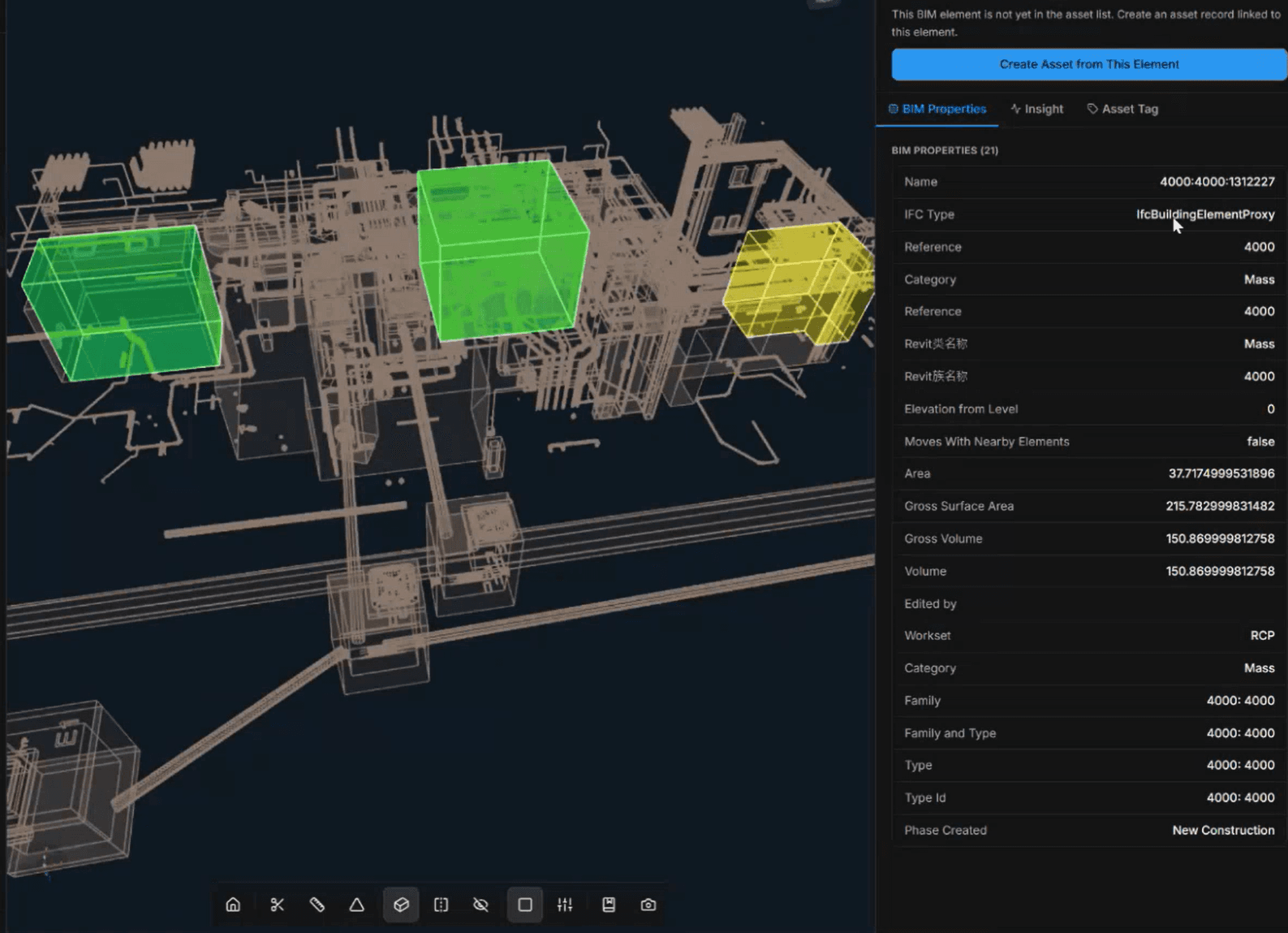
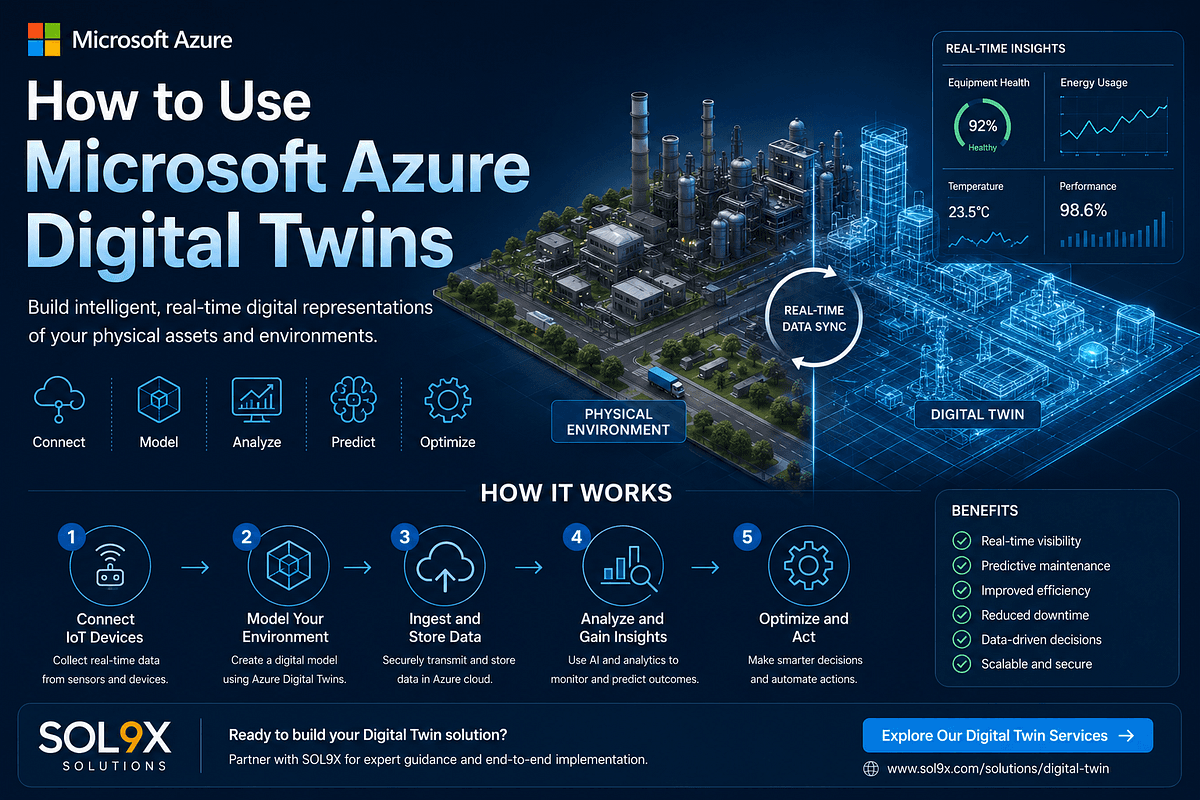
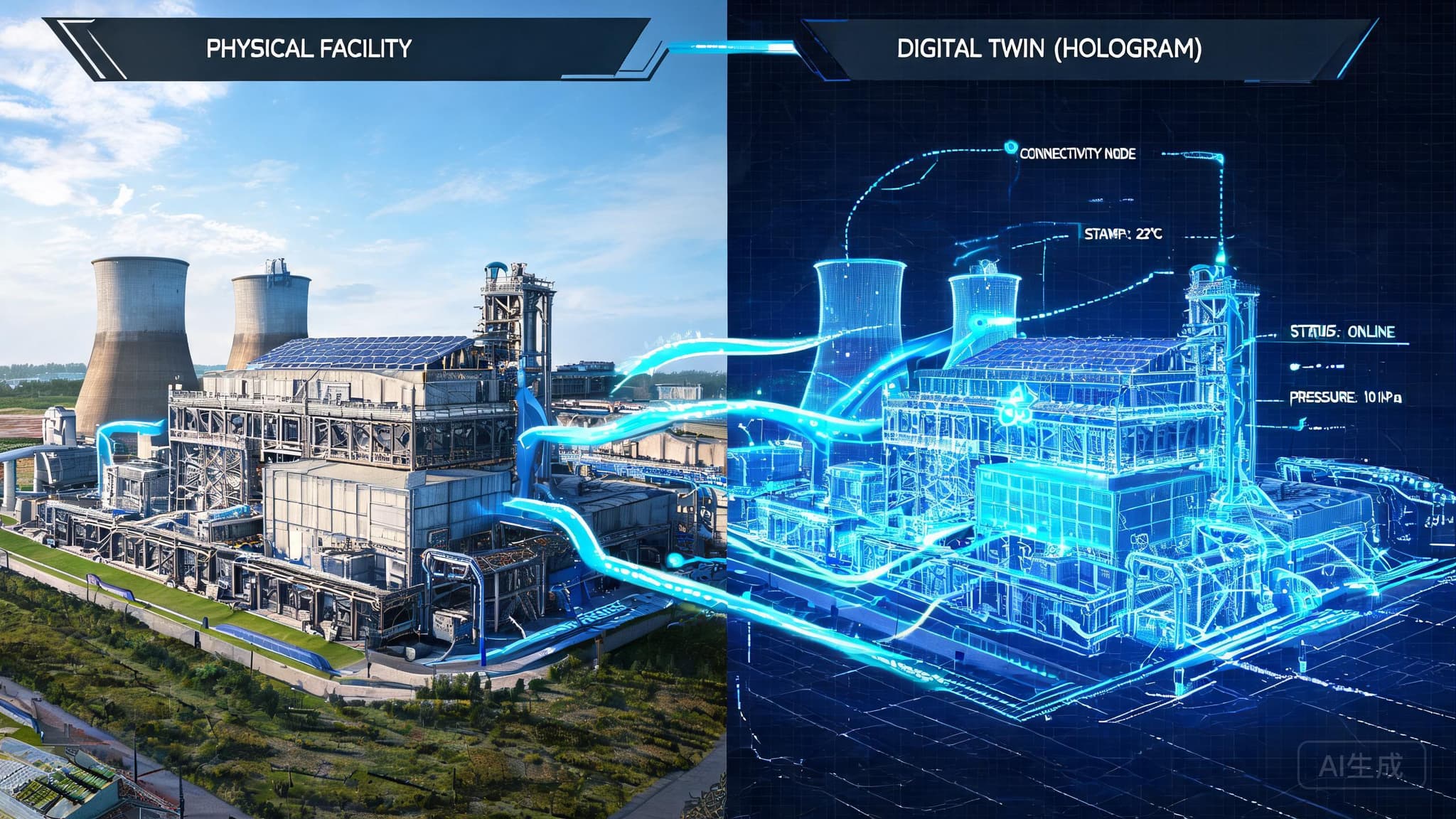
At the heart of this platform is the concept of the Digital Twin. A digital twin is a virtual replica of a physical entity, such as a manufacturing plant, a piece of machinery, or an entire facility. In this deployment, Ricoh leverages its proprietary digital twin capabilities to map the physical environment into a virtual space.
Plant environments are constantly generating streams of hardware telemetry. Sensors measure temperature, pressure, and vibration, while cameras provide visual feeds. However, raw data is meaningless without context. By integrating this hardware telemetry with existing operational data within a digital twin, the platform creates a unified data architecture.
This allows the AI to accurately understand real-world conditions. The digital twin serves as the “brain’s” map of the world, enabling the system to simulate scenarios and understand the implications of a maintenance decision before it is executed physically.
Multimodal AI: Seeing the Whole Picture
One of the standout features of this facility management platform is the use of Multimodal AI. In many industrial settings, “multimodal” simply means using different types of data inputs. Thread AI’s technology excels at ingesting and processing diverse data sources—combining visual data from cameras with telemetry from IoT sensors and historical maintenance logs.
This fusion of data types is critical for accurate anomaly detection. A single sensor might trigger a false positive, but when an AI model can cross-reference that spike with a visual feed showing a loose component or a blockage, the confidence level in the diagnosis skyrockets.
How It Works in Practice:
- Data Ingestion: Cameras, sensors, and equipment logs feed data into the platform continuously.
- Processing: The multimodal AI analyzes the data to establish a baseline for normal operations.
- Detection: Deviations from the baseline—such as an unusual heat signature combined with irregular vibration—are flagged in real-time.
- Contextualization: The digital twin provides the context, showing exactly where the anomaly is located and what equipment is affected.
From Pilot to Production: The Orchestration Layer
While many companies stop at detection, Ricoh and Thread AI are moving into execution. This is where Thread AI’s orchestration infrastructure comes into play. The platform is not just a monitor; it is an active manager.
By combining the digital twin, multimodal AI, and workflow orchestration, the system spans the entire operational lifecycle. It moves from the initial AI-driven decision to the final operational execution. This could involve automatically dispatching a maintenance crew, ordering a replacement part, or adjusting machine speeds to prevent damage.
Ricoh has initially deployed this platform within its own internal facility management operations in Japan. This pilot program serves a dual purpose: verifying the effectiveness of the technology and refining the workflows for facility inspection and maintenance. The focus is on automating—or semi-automating—tasks that are traditionally labor-intensive and prone to human error.
The Japanese Context: Automation in a Aging Society
The choice of Japan as the initial testing ground is strategic. Japan faces a unique demographic challenge: a rapidly aging population and a shrinking workforce. This makes the push for automation in facility management not just a matter of efficiency, but of necessity.
Facility management involves a significant amount of repetitive, physically demanding work, such as inspecting HVAC systems, checking lighting infrastructures, and monitoring security equipment. By deploying AI-driven systems that can understand the state of a facility and trigger actions, Ricoh is creating a blueprint for the future of work in environments where human labor may be scarce.
The platform empowers the existing workforce by providing them with “active decision support.” Instead of a technician blindly inspecting hundreds of assets, the AI directs them to the specific asset that requires attention, providing the probable cause and suggested fix. This turns a generalist maintenance role into a highly specialized, efficient operation.
Industry Implications and the Future of Smart Factories
The collaboration between Ricoh and Thread AI highlights a maturing trend in the IoT industry: the shift from “collecting data” to “orchestrating action.” As Angela McNeal, co-founder and CEO of Thread AI, noted regarding the deployment, this marks a significant milestone in expanding AI’s role from experimentation to production-ready execution.
Key Takeaways for Industry Leaders:
- Integration is Key: Siloed AI systems are insufficient. Future platforms must be multimodal and integrated into a digital twin framework.
- Workflow Matters: Data must lead to action. Orchestrating the workflow is as important as analyzing the data.
- Human-in-the-Loop: The goal is often semi-automation, enhancing human capabilities rather than replacing them entirely.
As this platform matures, we can expect to see similar architectures adopted globally. The ability to automatically verify facility conditions and optimize workflows without constant human intervention represents the next leap forward for smart buildings and intelligent manufacturing.
FAQ
What is the main goal of the Ricoh and Thread AI collaboration? The primary goal is to create an automated facility management platform that unites multimodal AI with digital twin infrastructure to automate and optimize facility operations, specifically targeting the Japanese market initially.
What problem does this platform solve? It addresses the failure point where AI deployments operate in isolation (silos), failing to deliver organization-wide optimization. It solves this by fusing data types (visual and sensor) and integrating decision-making with physical execution.
How does Multimodal AI benefit facility management? Multimodal AI processes different types of data simultaneously (e.g., camera feeds and sensor telemetry). This allows for more accurate anomaly detection by cross-referencing visual evidence with hardware metrics.
What role does the Digital Twin play? The Digital Twin creates a virtual map of the physical facility. It provides the context necessary for the AI to understand real-world conditions, enabling it to make informed decisions and simulate operational outcomes.
Why is this deployment happening in Japan first? Japan faces a shrinking workforce and an aging population, creating a high demand for automation in facility management to maintain efficiency and safety despite labor shortages.
How does this platform differ from traditional predictive maintenance? Traditional systems often stop at alerting a human to a problem. This platform integrates workflow orchestration, meaning it can actively participate in the decision-making process and help execute the solution, effectively closing the loop between detection and action.