Temple Engineering: Engineering’s Future, Written in Stone
As the world gears up for World Heritage Day 2026, a spotlight is thrown on India's ancient temples. These aren't just places of worship; they are untapped blueprints of sustainable engineering and architectural geniuses that hold the key to our future.
As we approach World Heritage Day 2026, the global conversation around preservation is shifting. It is no longer enough to simply admire the grandeur of ancient monuments for their aesthetic beauty. A new movement among engineers, data scientists, and architects argues that we must view these structures as they were originally intended: marvels of engineering genius. Nowhere is this more relevant than in the temples of India, which stand not only as spiritual bastions but as an untapped legacy of high-performance engineering.
The Untapped Engineering Legacy
For too long, the narrative surrounding Indian temples has been dominated by art history and theology. While the religious significance is undeniable, the construction techniques employed a millennium ago pose a stark contrast to modern construction methods. These structures were built to last centuries, often surviving seismic activity, extreme weather events, and the test of time without the need for the constant maintenance that modern buildings require.
This is the essence of "Temple Engineering"—a concept that seeks to decode the material science, structural dynamics, and acoustic engineering inherent in these heritage sites. By treating these monuments as data points, we can reverse-engineer a lost wisdom of sustainability and resilience.
From Stone to Data: The Role of Digital Twins
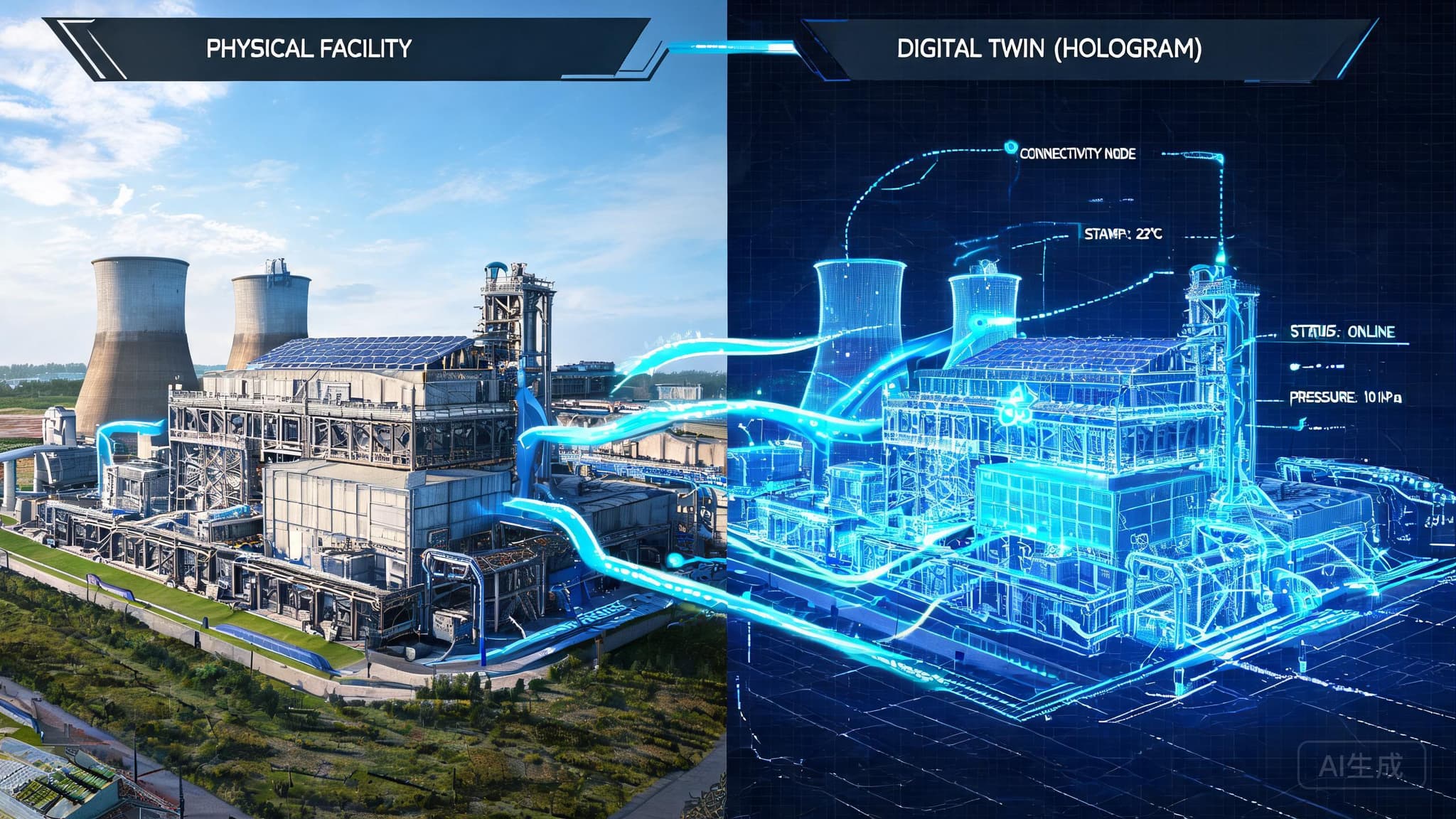
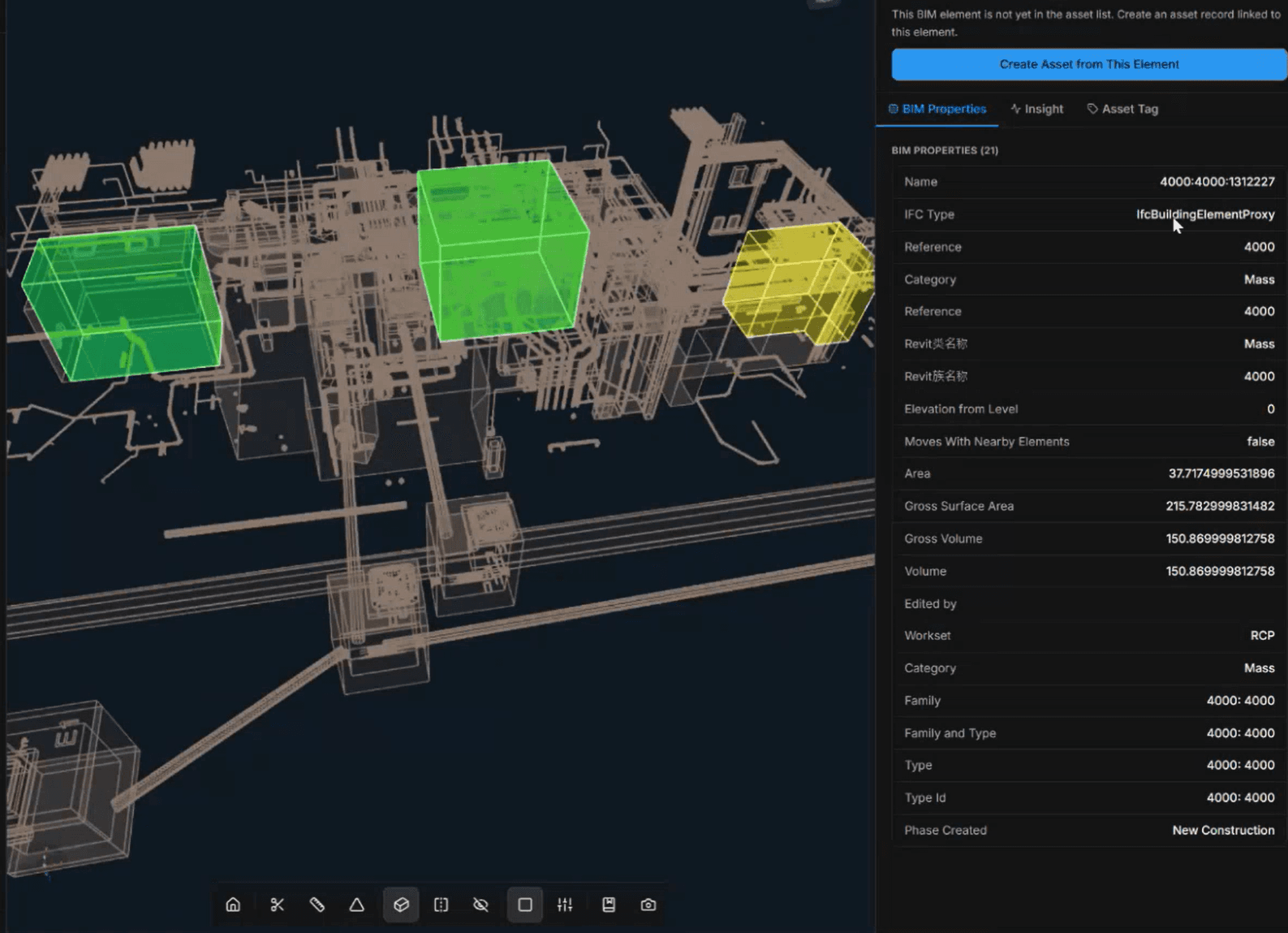
The true power of this legacy lies in the application of modern technology, specifically the use of Digital Twins. A digital twin is a virtual replica of a physical entity, used to run simulations and analyze performance. When applied to ancient temples, this technology does more than merely preserve a 3D record for posterity.
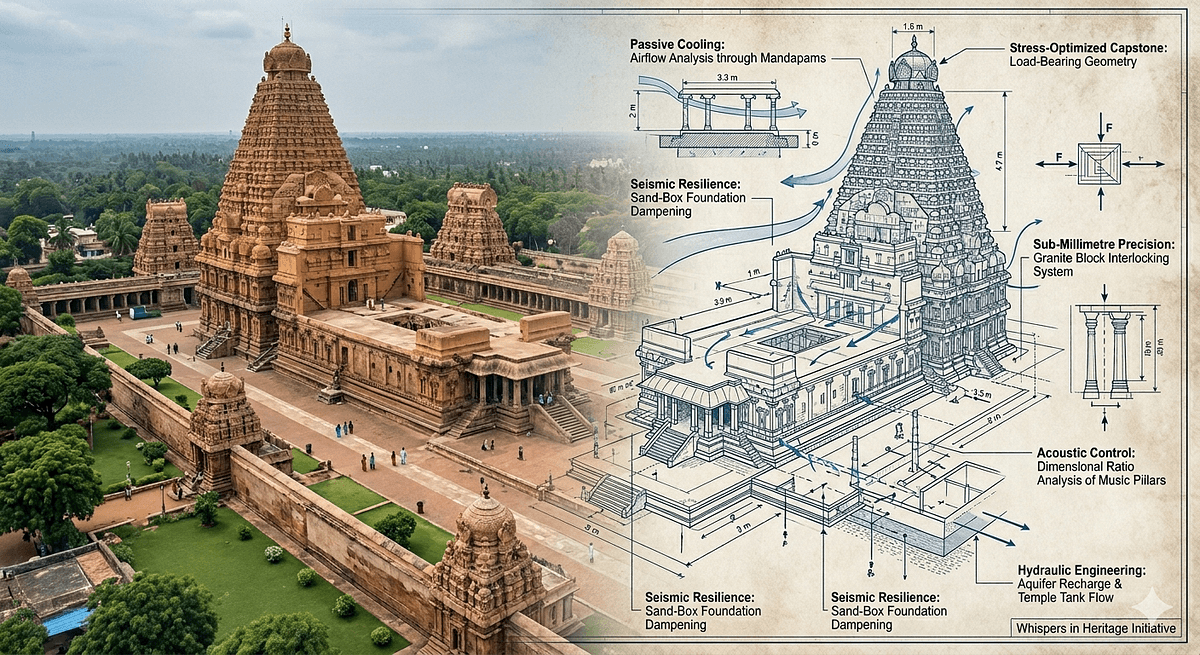
By creating a digital twin of a complex structure like the Brihadeeswarar Temple or the intricate carvings of Belur, engineers can analyze load distribution, ventilation paths, and material degradation with unprecedented precision. These digital models allow us to ask "why" and "how" these structures were built in specific ways. For instance, understanding how the massive granite blocks were transported and assembled without modern machinery could revolutionize our approach to sustainable heavy construction.
Structural Resilience and Modern Construction
One of the most compelling arguments for studying temple engineering is the concept of resilience. Modern architecture often prioritizes speed and cost-efficiency, occasionally at the expense of longevity. In contrast, ancient Indian temple builders utilized a deep understanding of geology and physics.
Seismic Ingenuity
Many temples located in seismic zones utilize specific construction techniques that allow the structure to "float" or flex during an earthquake. The interlocking stone joints, often without mortar, provide a flexibility that rigid concrete lacks. By digitally modeling these joints, civil engineers can develop new materials and connection methods for modern skyscrapers that mimic this ancient seismic resistance.
Passive Environmental Control
Before the advent of HVAC systems, temples were designed to maintain a comfortable interior temperature regardless of the external climate. Through the strategic placement of ventilation shafts and the use of porous stone, these structures acted as natural air coolers. As the world faces a climate crisis, rediscovering these passive cooling techniques is not just nostalgic; it is a necessity for reducing the carbon footprint of modern buildings.
The Intersection of IoT and Heritage
The Internet of Things (IoT) plays a pivotal role in this renaissance. By equipping heritage sites with non-invasive sensors, we can monitor structural health in real-time. Vibrations, humidity levels, and temperature fluctuations can be tracked and fed into the digital twin.
This continuous stream of data transforms a static monument into a living laboratory. It allows conservationists to predict degradation before it becomes visible to the naked eye. This proactive approach to maintenance is a departure from the reactive restoration methods of the past, shifting the paradigm from repair to prevention.
Decoding the Silent Blueprints
The architectural plans of these temples were rarely, if ever, written down on paper in the way we understand blueprints today. Instead, the knowledge was codified into the structure itself, passed down through generations of sthapatis (temple architects). In a way, the stones themselves are the documentation.
Using LiDAR scanning and photogrammetry, we can now "read" these stones. The precision of the carvings, often executed to tolerances of less than a millimeter, speaks to a mastery of stonecraft that modern CNC machining struggles to replicate. By analyzing the geometry of these carvings, we can uncover the geometric principles that govern their stability and aesthetic harmony.
A Call to Action for 2026
As we look toward World Heritage Day 2026, the call is not just for tourism, but for technical engagement. We need to bridge the gap between the ancient past and the digital future. This requires a collaborative effort between the Archaeological Survey of India, global engineering firms, and tech startups specializing in AI and 3D modeling.
We must move beyond viewing these sites as relics of a bygone era and start seeing them as active contributors to the future of engineering. The stones hold the secrets to durability, sustainability, and harmony with nature—principles that are desperately needed in our modern urban landscapes.
Conclusion
Temple engineering offers a unique lens through which to view our past and future. It challenges the notion that innovation is strictly a forward-moving process. Sometimes, the most advanced solutions are hidden in the foundations of history. By leveraging digital twins and IoT to decode India’s greatest engineering legacy, we do more than preserve history; we future-proof it. The future of engineering may indeed be written in stone, waiting for us to finally learn the language.
Frequently Asked Questions
1. What is "Temple Engineering"? Temple Engineering refers to the study and application of the construction techniques, material science, and architectural principles used in ancient temple building, specifically in India, to solve modern engineering challenges.
2. How are Digital Twins used in heritage conservation? Digital Twins create precise virtual replicas of physical structures. They allow engineers to simulate environmental stresses, monitor real-time structural health via IoT sensors, and test restoration methods without risking damage to the original monument.
3. Why are ancient temples considered more sustainable than modern buildings? Ancient temples were built using local, natural materials and designed with passive cooling and seismic resilience in mind. They have a carbon footprint near zero compared to the embodied energy in modern steel and concrete structures.
4. Can ancient construction techniques really help with modern problems? Yes. Techniques such as interlocking joints for earthquake resistance and passive ventilation systems for cooling offer sustainable, low-energy alternatives to modern mechanical and structural engineering methods.
5. What role does IoT play in studying these structures? IoT sensors embedded in or around the structures collect data on vibrations, temperature, and moisture. This data is analyzed to predict structural fatigue and prevent collapse, ensuring the longevity of the heritage site.
6. What is the goal of the World Heritage Day 2026 initiative? The goal is to shift the global narrative from purely aesthetic preservation to technical analysis. It aims to encourage the engineering community to decode the "blueprint" hidden within the stonework of India’s temples to foster sustainable innovation.
7. How does this approach benefit the construction industry? It provides a database of time-tested structural solutions. By understanding how these structures have survived for centuries, the construction industry can develop more durable, resilient, and environmentally friendly building practices.