Open-Source Smart Building IoT Platform: How to Integrate BACnet, LoRaWAN, Modbus & OPC-UA Without Vendor Lock-In
For system integrators, property managers, and sustainability teams, Contexus’s open-source IoT framework redefines smart building integration. By unifying BACnet, LoRaWAN, Modbus, and OPC-UA protocols, it removes technical barriers and vendor restrictions, creating a flexible, scalable, and cost-effective foundation for future-proof smart building operations.
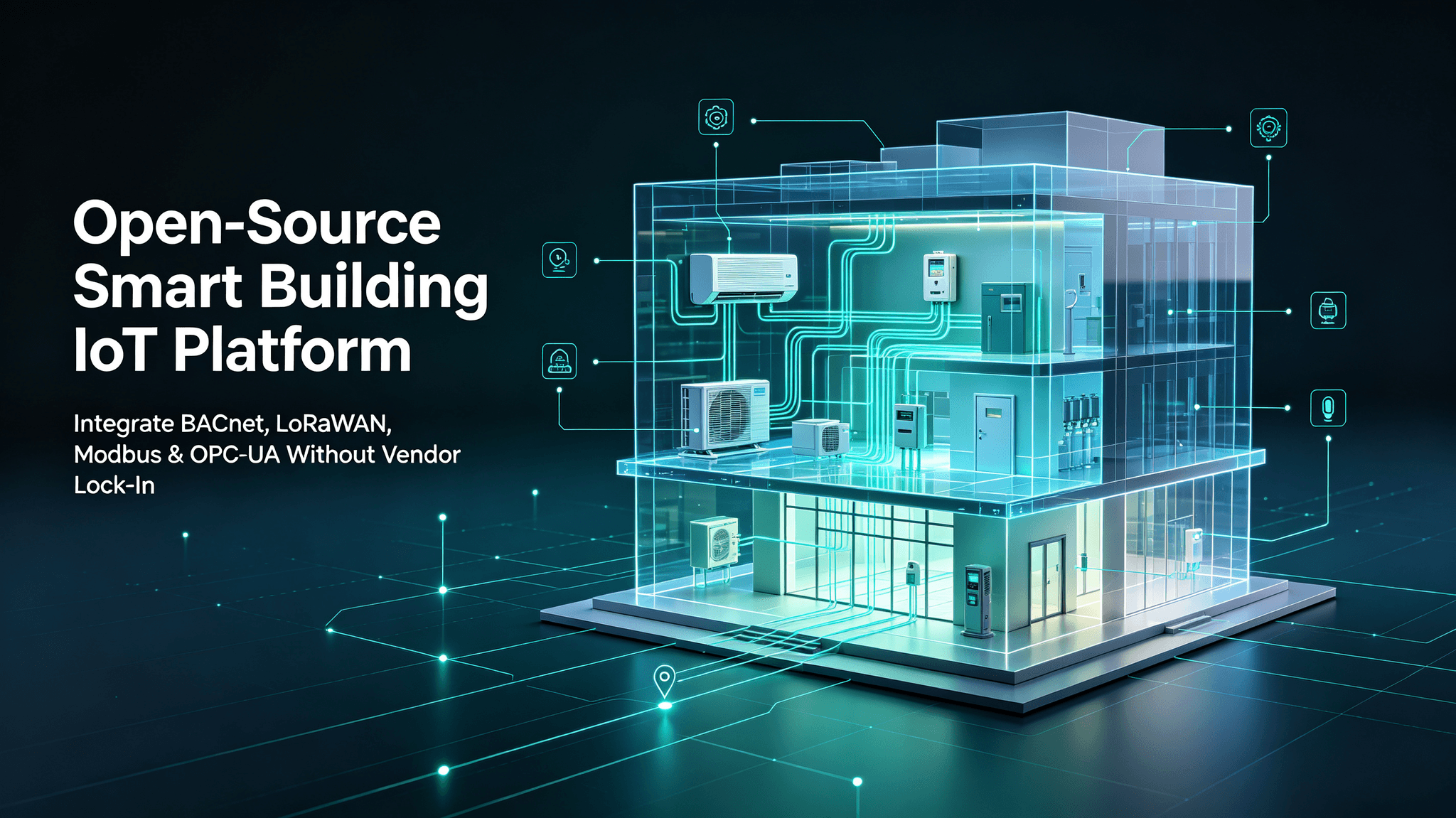
Modern smart building management faces a universal bottleneck: fragmented device protocols and proprietary platform lock-in. Most commercial buildings, campuses, and hospitality sites operate with disjointed BACnet HVAC systems, Modbus industrial meters, LoRaWAN wireless sensors, and OPC-UA automated equipment. Traditional closed building management systems (BMS) force costly rip-and-replace upgrades, limit data accessibility, and tie facility managers to single-vendor ecosystems. An open-source smart building IoT platform solves this pain point by unifying all mainstream building protocols on one flexible layer, eliminating vendor lock-in while maximizing existing infrastructure value.
Contexus Open IoT Hub is a modular, production-ready open-source framework purpose-built for smart building integration. Unlike proprietary BMS tools that restrict multi-protocol compatibility, it natively supports BACnet, LoRaWAN, Modbus, MQTT, and OPC-UA, enabling seamless data aggregation and device control across legacy and modern building systems. System integrators and facility teams no longer need to deploy separate middleware or custom code to connect disparate devices, cutting project costs and implementation timelines significantly.
Unified Multi-Protocol Integration for Diverse Building Assets
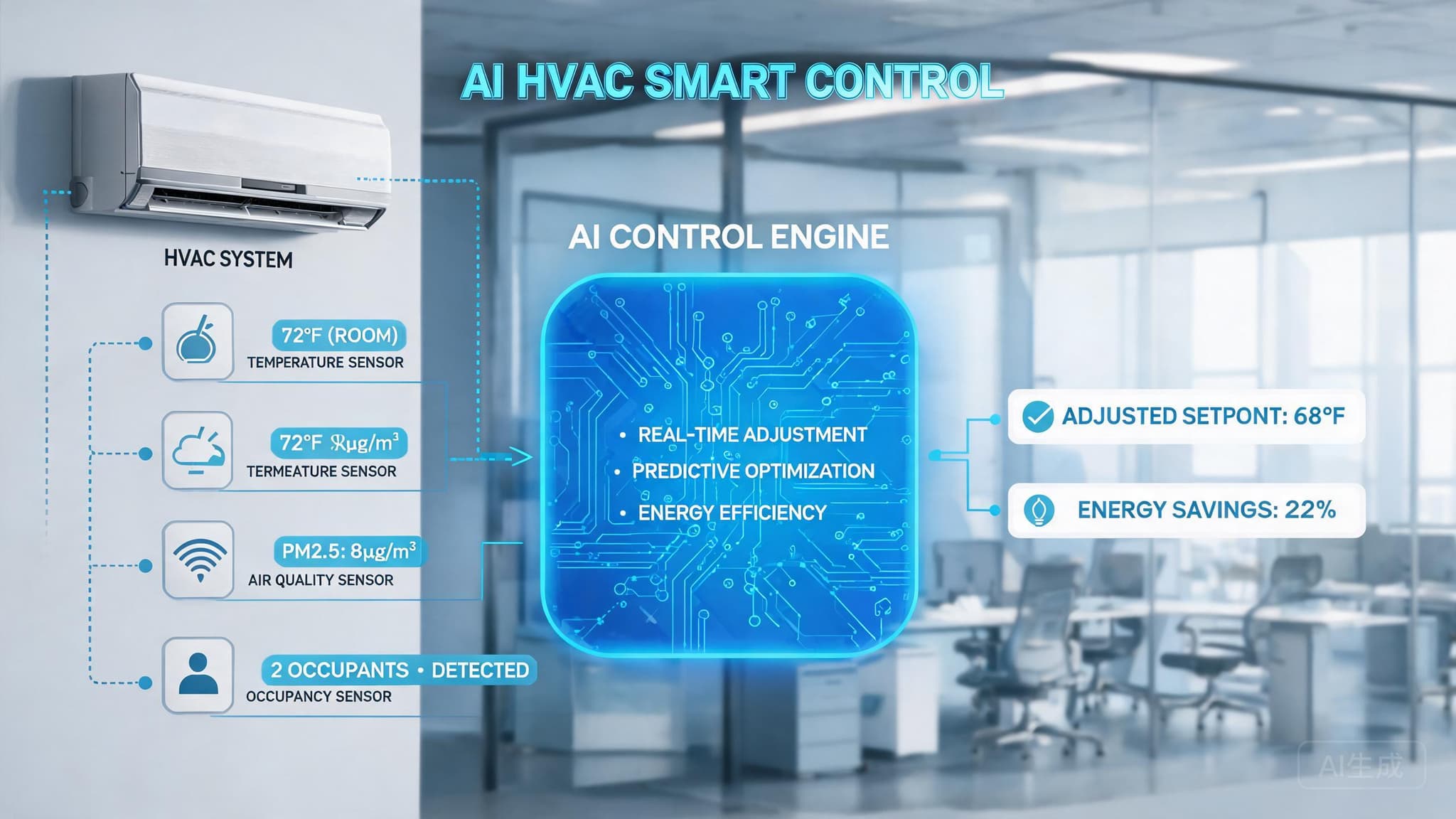
Each building protocol serves unique operational scenarios, and Contexus unifies their functions without protocol conflicts. BACnet, the standard for building automation, connects HVAC, lighting, and central BMS equipment to centralize operational monitoring. Modbus integrates industrial energy meters and hardwired sensing devices for high-precision data collection. LoRaWAN supports long-range, low-power wireless sensors for occupancy, air quality, and environmental tracking across large campuses. Meanwhile, OPC-UA enables secure, standardized connectivity for advanced industrial and automated building equipment, while MQTT ensures real-time cloud data streaming.
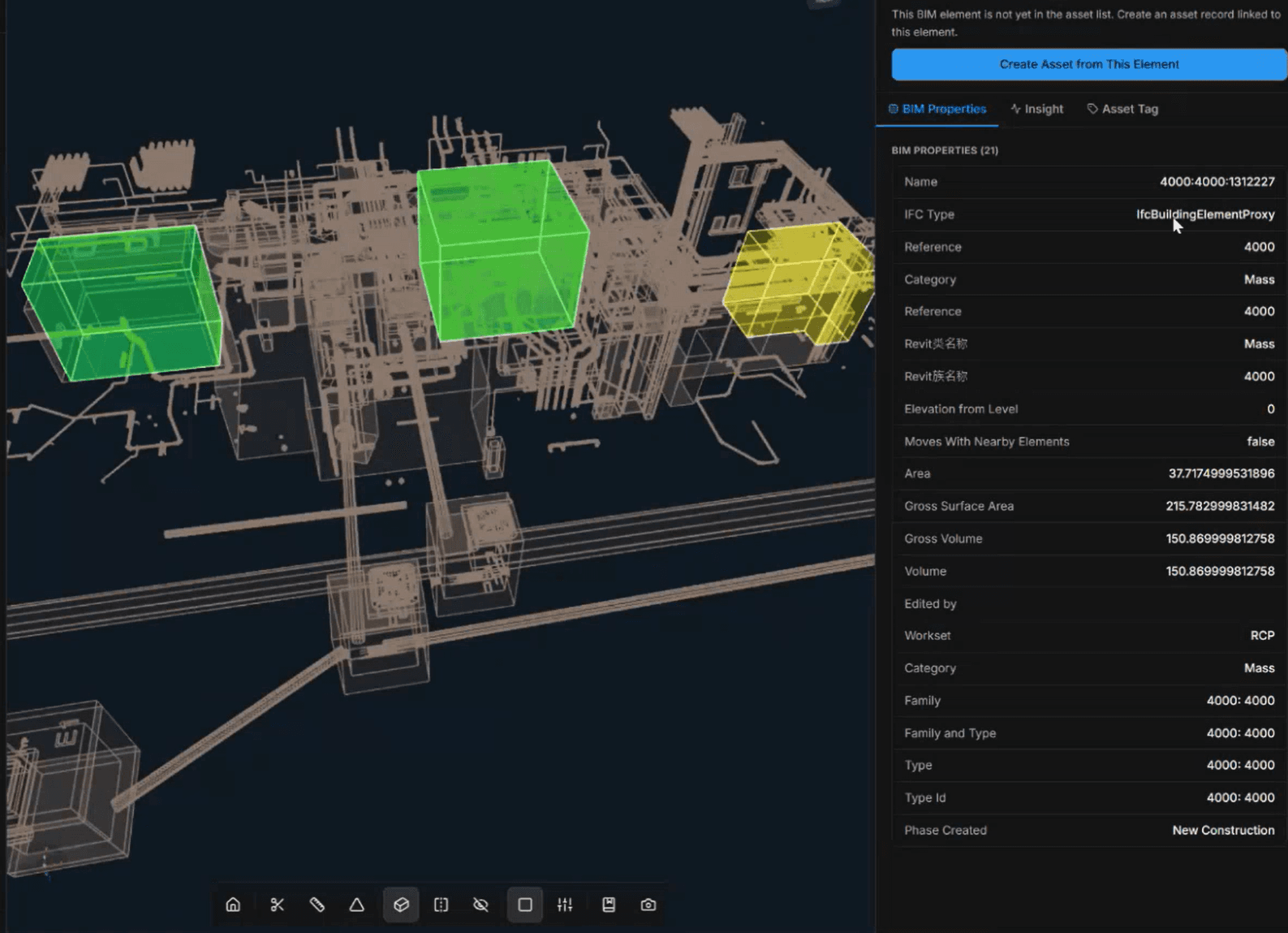
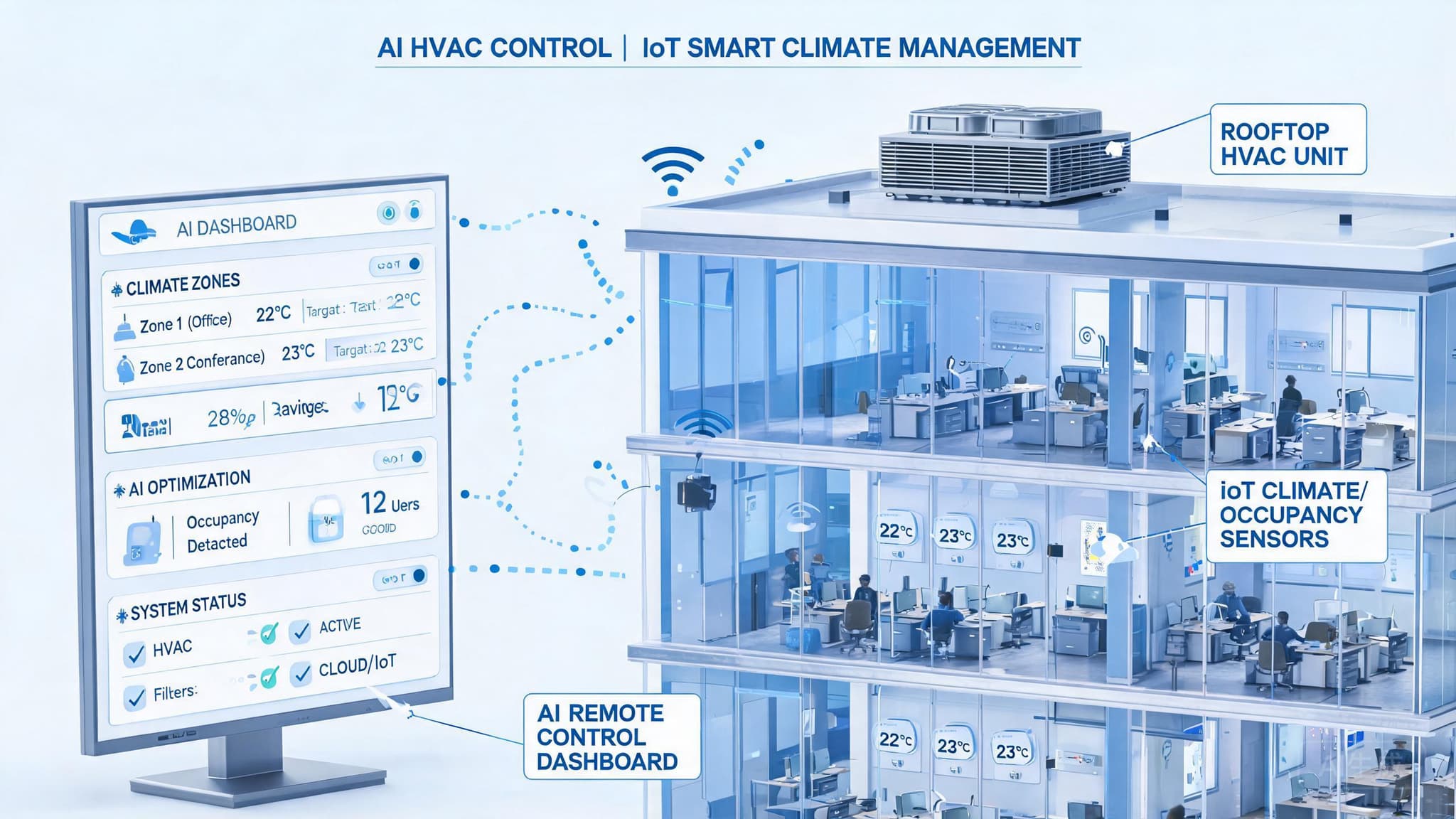
The platform’s no-code integration architecture eliminates complex programming work. Users can connect, configure, and monitor all devices via a single pane of glass, synchronizing real-time sensor data, equipment status, and energy consumption data. This unified overview breaks down data silos that plague traditional smart building deployments.
Eliminate Vendor Lock-In With Open, Extensible Architecture
The biggest advantage of Contexus over closed proprietary platforms is full data and infrastructure ownership. Most commercial BMS providers lock users into exclusive hardware, software updates, and data storage systems, making phased upgrades or third-party integration nearly impossible. Contexus’s open-source design allows full customization, modular expansion, and third-party tool integration without vendor restrictions.
It supports phased retrofits without rip-and-replace renovations, perfectly fitting incremental smart building upgrades. Facility managers can retain existing legacy devices and systems, adding new IoT modules and functions on demand. Additionally, its multi-tenancy architecture, customizable drag-and-drop dashboards, and automated alert rules meet enterprise-level demands for campus, commercial building, and hospitality scenarios.
Real-World Benefits & Practical Value
Beyond seamless integration, the platform delivers tangible operational and sustainable value. Unified data analytics supports precise energy optimization, reducing building energy consumption and laying the foundation for standardized ESG carbon reporting. Built-in facility management modules streamline equipment maintenance, work order scheduling, and asset monitoring, improving operational efficiency.
Final Verdict
For system integrators, property managers, and sustainability teams, Contexus’s open-source IoT framework redefines smart building integration. By unifying BACnet, LoRaWAN, Modbus, and OPC-UA protocols, it removes technical barriers and vendor restrictions, creating a flexible, scalable, and cost-effective foundation for future-proof smart building operations.